
The first time many travelers contact me about a Mount Rinjani tour booking, they usually ask practical questions.
“How hard is it?”
“Do I need training?”
“Can beginners do it?”
Fair questions, honestly.
But after years working around Rinjani, I’ve noticed something interesting. People rarely remember the trek the way they expected. They think they will remember the summit photo most. Sometimes they do. But very often, the moments they talk about later are smaller.
A cold morning.
Wet shoes drying outside the tent.
Someone laughing during a difficult climb.
Hot coffee after hours of hiking.
My name is Wayan. I work with Lombok Ecco Tour as a local travel specialist, and I’ve seen travelers arrive nervous, excited, overconfident, exhausted, emotional — sometimes all in one trip.
That’s kind of the magic of Rinjani.
The Mountain Has Its Own Mood
This sounds strange until you hike it yourself.
Some mornings the mountain feels calm and wide open. On other days clouds move fast and visibility changes every few minutes. Even guides who hike regularly still pay close attention to conditions because Rinjani can shift quickly.
One traveler from Ireland once sat quietly near the crater rim for almost twenty minutes without saying anything. Later he told me:
“I thought this trip was about hiking. Turns out I just needed silence.”
I still remember that sentence.
Because honestly, a lot of people arrive carrying too much noise from daily life.
Then suddenly they spend two days with no meetings, no traffic, no endless notifications. Just footsteps, wind, and conversations around camp.
Simple things start feeling important again.
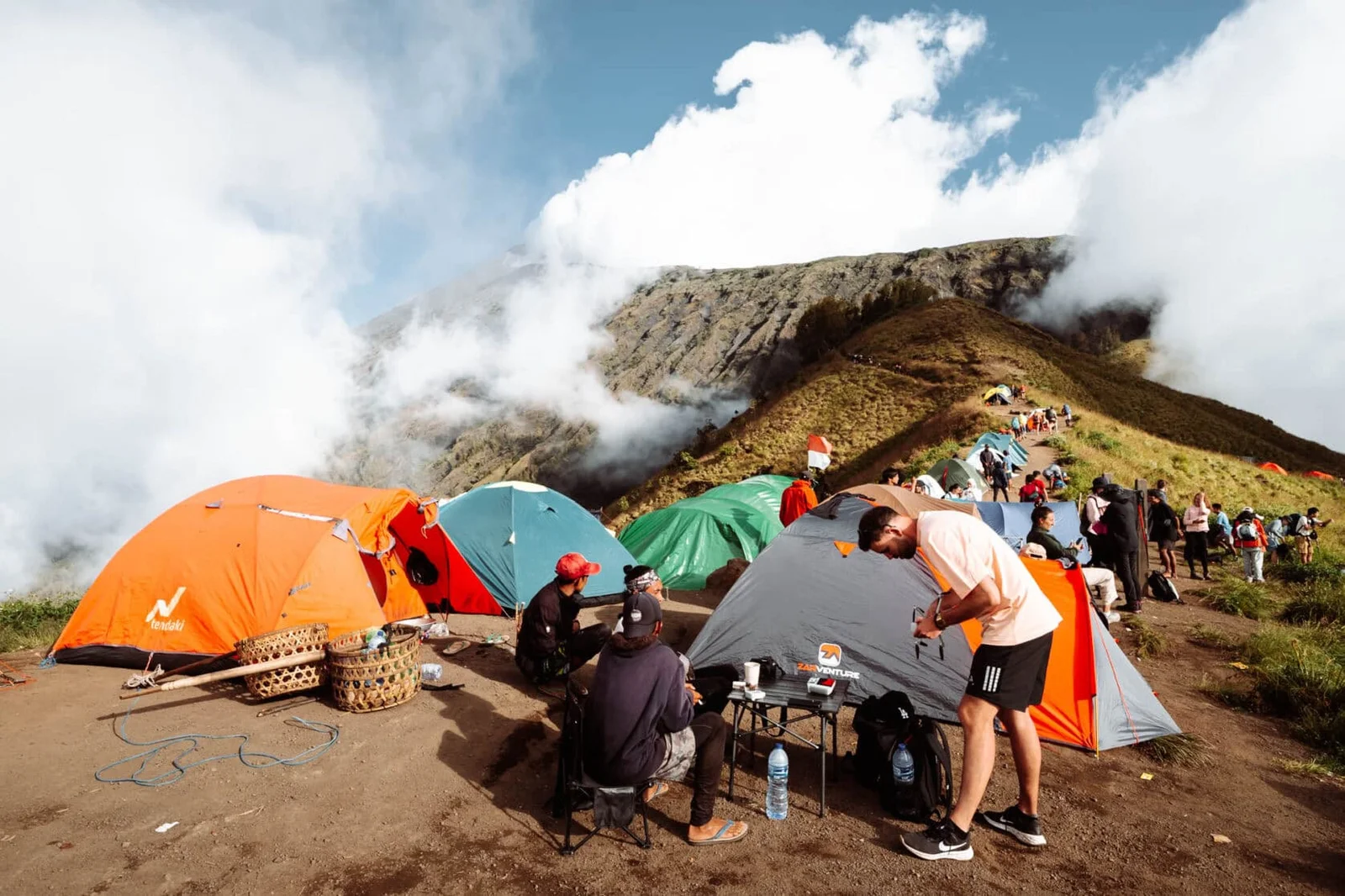
Choosing a Mount Rinjani Tour Booking That Fits You
One mistake travelers make is choosing routes based only on internet photos.
The summit looks amazing online. True. But not everyone enjoys long summit pushes starting before sunrise. Some travelers enjoy crater rim camping much more because the pace feels more relaxed.
Usually the trekking choices include:
- Crater rim trekking
- Summit trekking
- Multi-day camping routes
- Trekking combined with island tours
Personally, I think the “best” route depends more on your energy and travel style than fitness alone.
I’ve seen athletic hikers struggle mentally with the long climbs. I’ve also seen slower hikers enjoy the entire journey because they paced themselves properly from the beginning.
For travelers who prefer easier planning, many choose a Rinjani full package trip so transportation, permits, food, and camping equipment are already arranged before arrival.
It removes a lot of unnecessary stress.
The Summit Push Feels Longer Than People Expect
Especially after midnight.
You wake up in darkness. Everyone moves slowly at first. Headlamps everywhere. Jackets zipped tightly because the air feels colder than expected.
Then the trail changes.
Loose volcanic sand. Small sliding steps. Quiet breathing.
This is usually the moment when people stop talking so much.
Oddly enough, it’s also the moment many travelers start enjoying the experience more deeply. Something about difficult climbs forces people into the present moment. Nobody worries about emails while climbing volcanic sand at 3 a.m.
At least I’ve never seen it happen.
Why Local Guides Matter
A good guide is not only there for direction.
Good guides understand pacing. Weather patterns. Group energy. They notice who needs extra water or a slower rhythm before that person even says anything.
That local awareness matters more than travelers realize.
Especially because conditions around Rinjani can change fast.
I remember one afternoon when fog moved across the trail surprisingly quickly. Nothing dangerous happened, but the local guides immediately adjusted the pace and camping setup before guests even understood why. Experience works quietly like that sometimes.
Travelers who want to explore more of the island after trekking often check ecco tour in Lombok for biking tours, beaches, waterfalls, and custom trips around Lombok and nearby islands.
Things That Actually Help During the Trek
Not expensive gear.
Not fancy hiking clothes either.
Usually the most useful things are basic:
- Comfortable shoes
- Warm layers
- Enough water
- Dry socks
- Good sleep before trekking
And mentally? Patience helps a lot.
Some travelers rush early because they feel strong during the first hours. Later they run out of energy before reaching camp. Rinjani rewards consistency more than speed.
Also, bring fewer things than you think you need.
Seriously.
Most first-time trekkers pack too much.
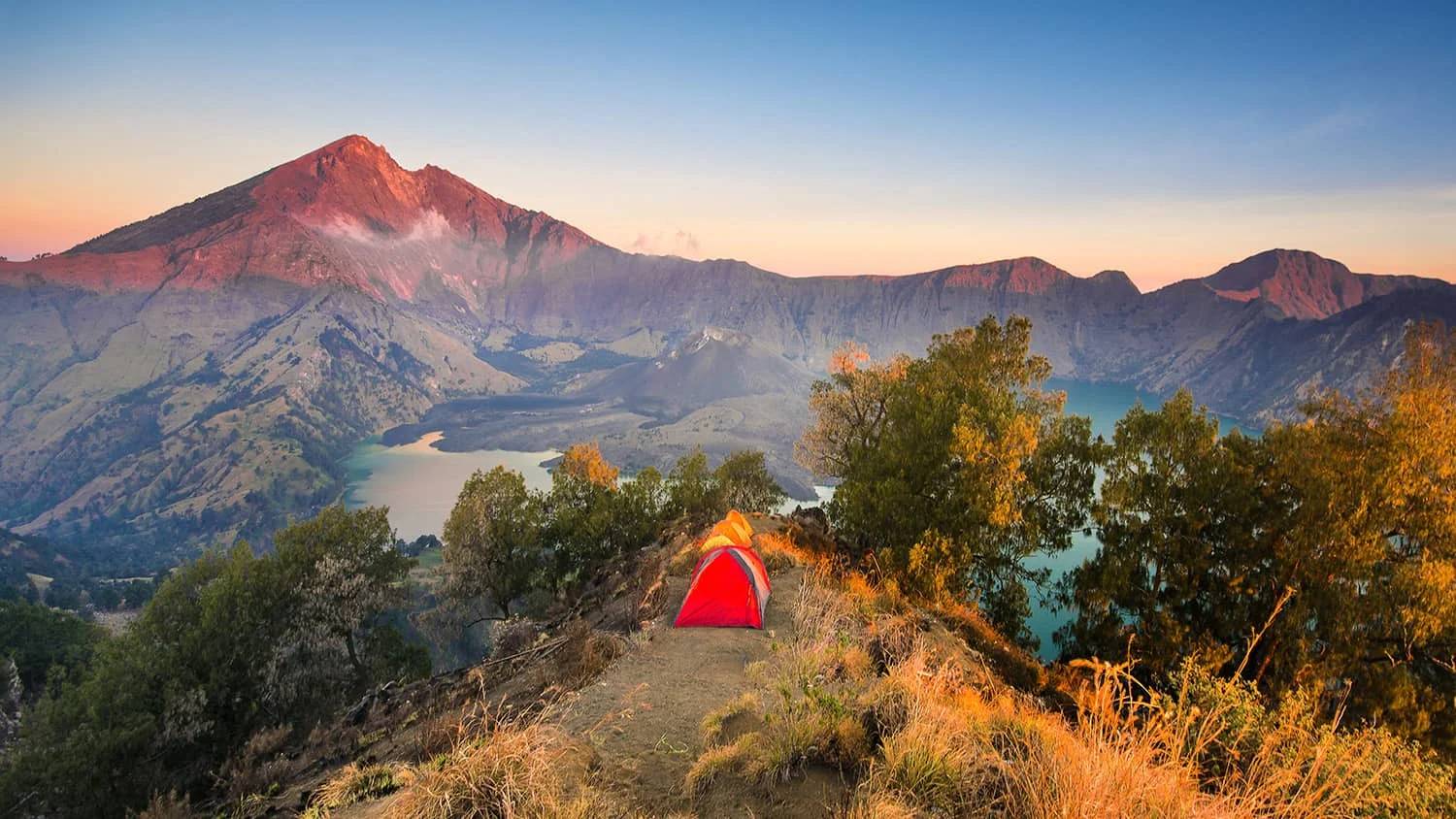
There’s a Different Side of Lombok After Rinjani
One thing I enjoy seeing is how travelers slow down after trekking.
Before the hike, many people arrive with packed schedules. Afterward, suddenly they want extra beach days, slower mornings, long lunches, or quiet drives around the island.
Maybe the mountain resets people a little.
Some continue toward Sumbawa after Lombok because they want less crowded surf spots and quieter scenery. Others stay near the southern coast just to rest tired legs for a while.
Honestly, that combination works perfectly:
challenging mountain first, relaxed island days afterward.
If you still want more details about trekking routes and preparation, this Mount Rinjani guide explains the routes more clearly.
And if your travel dates are already fixed, the Rinjani hiking booking page makes planning easier before arriving in Lombok.
FAQ About Mount Rinjani Tour Booking
Is Mount Rinjani difficult?
Certain sections are physically challenging, especially the summit climb, but many travelers complete the trek successfully every season.
Do I need hiking experience?
Not always. Beginners can join suitable routes with realistic preparation and pacing.
What should I bring?
Comfortable shoes, warm clothing, personal medicine, and lightweight essentials are usually enough.
How cold does it get?
Night temperatures near the crater rim can feel surprisingly cold because of elevation and wind exposure.
Is the trek worth it even without reaching the summit?
Absolutely. Many travelers say the crater views and overall experience matter more than the summit itself.
When should I arrange my Mount Rinjani tour booking?
Booking earlier is recommended during busy travel periods because permits and guide availability can become limited.
Final Thoughts
I’ve worked around tourism long enough to know that travelers rarely want something “perfect.”
What people usually want is something real.
Real conversations.
Real landscapes.
Real experiences they can still remember clearly months later.
That’s why Mount Rinjani stays with people.
Not because every moment is comfortable. Some parts are tiring. Dusty. Cold. Occasionally frustrating.
But somewhere between the forests, the campsites, and the early morning climbs, people often reconnect with something quieter inside themselves too.
And maybe that’s the part worth remembering most.